
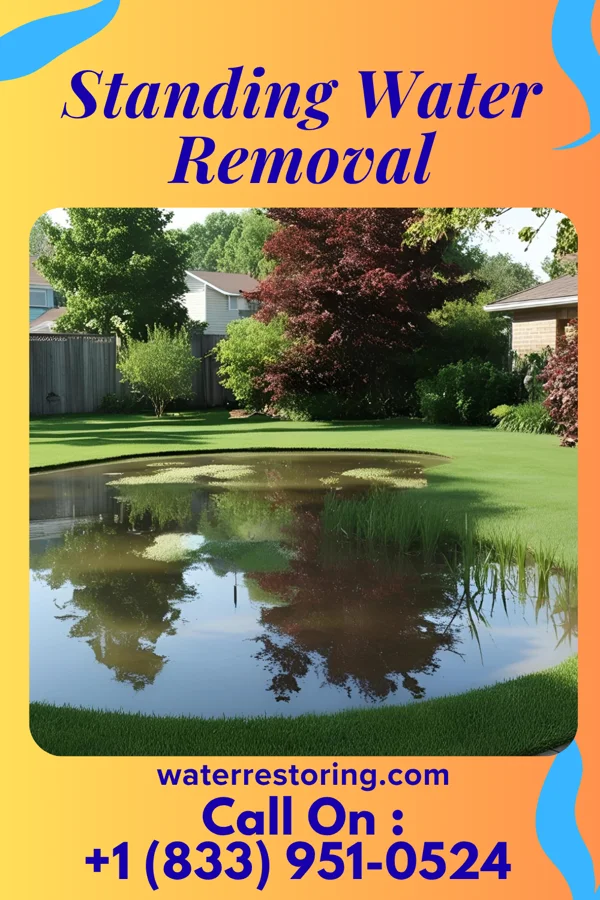
What Makes Green Standing-Water-Prone
Living in Green means dealing with In Green, Ohio, the primary water damage causes often stem from residential plumbing issues, such as burst pipes and leaking water heaters, as well as flooding from nearby waterways like the Cuyahoga River. These incidents are frequently exacerbated by the suburban layout of the area, where homes are spread out and drainage systems can become overwhelmed during heavy rainfall. sooner or later. A close second is Secondary causes include roof leaks from storms, backed-up sewer systems, and water intrusion from nearby industrial areas. The proximity to Portage Lakes also increases the risk of water damage from lake-related flooding, particularly during spring thaw or severe weather events.. The good news: water damage is fully recoverable when you catch it fast and bring in certified technicians.
Green, Ohio experiences a humid continental climate with significant rainfall throughout the year, increasing the likelihood of water damage. The area is also prone to sudden weather changes, which can lead to rapid water accumulation and affect both residential and commercial properties.
Most standing water removal calls in Green come from In Green, Ohio, the primary water damage causes often stem from residential plumbing issues, such as burst pipes and leaking water heaters, as well as flooding from nearby waterways like the Cuyahoga River. These incidents are frequently exacerbated by the suburban layout of the area, where homes are spread out and drainage systems can become overwhelmed during heavy rainfall.. Running a close second is Secondary causes include roof leaks from storms, backed-up sewer systems, and water intrusion from nearby industrial areas. The proximity to Portage Lakes also increases the risk of water damage from lake-related flooding, particularly during spring thaw or severe weather events.. Local mold risk: Due to the high humidity levels and frequent rainfall in Green, mold can develop quickly after water damage, often within 48 hours. Prompt action is crucial to prevent long-term structural damage and health risks associated with mold exposure.
For public guidance on the health effects of mold after prolonged water exposure, see the EPA mold and health page.